This blog was inspired by a young mother of a son who has had a number of issues at school with being bullied and trying to protect himself using his anger. It often went badly for him, and she was concerned about his school life.
As parents, we often find ourselves facing challenges we never anticipated. One of the most difficult can be dealing with a child who struggles to manage their anger, especially when it leads to problems at school. If you’re in this situation, know that you’re not alone. Many parents grapple with similar issues, and there are strategies and resources available to help both you and your child.
In this blog post, I’ll explore the complexities of childhood anger, why it might manifest differently at school versus at home, and, most importantly, steps you can take to help your child learn to manage their emotions more effectively.
Understanding Childhood Anger
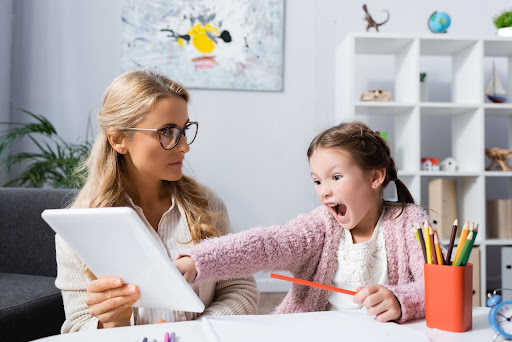
Anger is a normal, natural emotion that everyone experiences, including children. However, when anger leads to aggressive behavior, fights at school, or other significant problems, it’s crucial to address the issue promptly and effectively.
For a 12-year-old, anger can stem from various sources:
- Hormonal changes: As children enter puberty, hormonal fluctuations can lead to mood swings and increased irritability.
- Academic pressure: The transition to middle school often brings increased academic expectations, which can be stressful.
- Social challenges: Navigating friendships, peer pressure, and potential bullying can be emotionally taxing.
- Lack of coping skills: Some children haven’t yet developed effective strategies for managing strong emotions.
- Underlying issues: Sometimes, anger can be a symptom of other problems such as anxiety, depression, or learning difficulties.
- Family dynamics: Changes or stressors at home can affect a child’s emotional state, even if they’re not directly related to the child.
Why Behavior Might Differ at School and Home
It’s common for parents to be surprised when they hear about behavior problems at school, especially if their child is generally well-behaved at home. This discrepancy can occur for several reasons:
- Different environments: School presents unique stressors and social dynamics that may not be present at home.
- Peer influence: The presence of peers can significantly impact a child’s behavior and emotional responses.
- Less individual attention: In a classroom setting, children may feel they have to compete for attention or struggle with feeling overlooked.
- Academic challenges: Difficulties with schoolwork can lead to frustration and acting out.
- Fatigue: By the end of the school day, a child may have depleted their emotional resources for self-control.
- Different expectations: Rules and expectations at school may differ from those at home, causing confusion or resistance.
Steps to Address Childhood Anger Issues
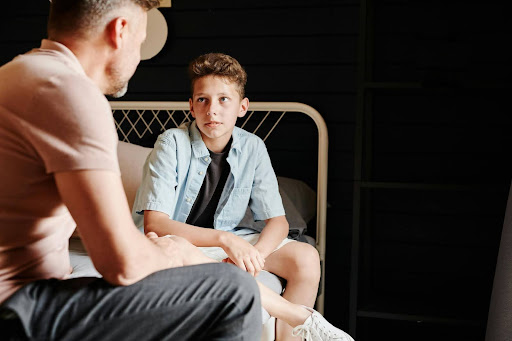
Now that I’ve explored some of the reasons behind childhood anger, let’s discuss practical steps you can take to help your child:
Open Communication
Start by having an open, non-judgmental conversation with your child. Try to understand their perspective on what’s happening at school. Ask questions like:
- “Can you tell me what happened before the fight started?”
- “How were you feeling when this happened?”
- “Is there anything at school that’s making you feel angry or frustrated?”
Remember to listen actively and validate their feelings, even if you don’t agree with their actions.
Collaborate with the School
Work closely with your child’s teachers and school administrators. They can provide valuable insights into your child’s behavior at school and may be able to implement supportive strategies. Some steps you can take include:
- Schedule regular check-ins with your child’s teacher
- Ask about any patterns they’ve noticed regarding your child’s anger outbursts
- Discuss potential accommodations or support services the school can offer
Teach Anger Management Techniques
Help your child develop strategies to manage their anger. Some effective techniques include:
- Deep breathing exercises
- Counting to ten (or higher) when feeling angry
- Using “I” statements to express feelings (e.g., “I feel angry when…”)
- Identifying a safe space or person to go to when feeling overwhelmed
- Learning to recognize physical signs of anger (e.g., clenched fists, rapid heartbeat)
Practice these techniques at home when your child is calm, so they’re prepared to use them in the heat of the moment.
Establish Clear Rules and Consequences
Create clear, consistent rules about acceptable behavior, both at home and at school. Ensure your child understands the consequences of breaking these rules. Be sure to:
- Involve your child in creating these rules when possible
- Make the consequences logical and related to the behavior
- Consistently enforce the rules and consequences
Positive Reinforcement
Recognize and praise your child when they handle frustrating situations well. This positive reinforcement can encourage them to use their anger management skills more often.
Model Appropriate Behavior
Children often learn by example. Demonstrate healthy ways of expressing and managing anger in your own life. This might include:
- Verbalizing your feelings calmly
- Taking time-outs when you feel overwhelmed
- Apologizing when you’ve lost your temper
Encourage Physical Activity
Physical activity can be a great outlet for anger and frustration. Encourage your child to participate in sports, exercise, or other physical activities they enjoy.
Ensure Adequate Sleep and Nutrition
Proper sleep and nutrition play crucial roles in emotional regulation. Ensure your child is getting enough sleep and eating a balanced diet.
Limit Exposure to Violent Media
Be mindful of the media your child consumes. Exposure to violent video games, movies, or TV shows can sometimes contribute to aggressive behavior.
Consider Professional Help
If your childhood anger issues persist despite your efforts, it may be beneficial to seek professional help. A child psychologist or therapist can provide specialized strategies and support for both you and your child.
The Importance of Patience and Consistency
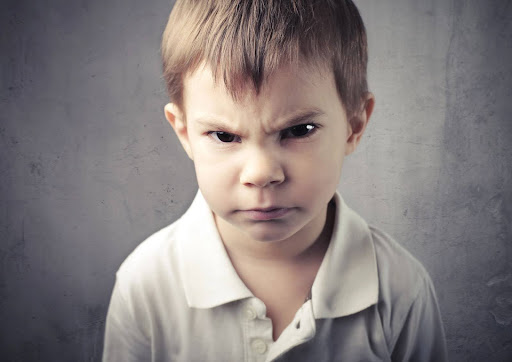
Remember, helping your child learn to manage their anger is a process that takes time. There may be setbacks along the way, but with patience, consistency, and the right support, significant improvements are possible.
A Note on School Discipline
In the situation you described, where your child’s teacher didn’t report a fight to avoid expulsion, it’s important to address this with the school administration. While the teacher’s intentions may have been good, it’s crucial that:
- Your child understands the seriousness of their actions
- You have a full picture of what’s happening at school
- The school follows proper procedures to ensure all students’ safety
Consider scheduling a meeting with the teacher and a school administrator to discuss the incident and develop a plan to support your child while ensuring school policies are followed.
Conclusion: There is Hope
Dealing with a child’s anger issues can be challenging and emotionally draining, but there is hope. Many children who struggle with anger in their preteen years go on to develop excellent emotional regulation skills with the right support and guidance.
Remember, seeking help is a sign of strength, not weakness. Whether it’s through school resources, family counseling, or individual therapy for your child, don’t hesitate to reach out for professional support if you need it.
Your commitment to helping your child navigate this difficult period is commendable. With patience, understanding, and consistent effort, you can help your child develop the emotional skills they need to thrive both in and out of school.
Stay positive, stay engaged, and remember to take care of yourself too. Your child needs you to be at your best to provide the support and guidance they need during this challenging time.